Timing shapes a Moroccan wine trip more than almost anything else. Get it right and you find warm days, cool evenings, working vineyards and markets full of seasonal produce; get it wrong and you are dodging fierce inland heat or arriving when the vines are bare. This guide looks at the calendar specifically through a wine and food lens, a companion to my practical travel and logistics guide and my overview of visiting Morocco’s wine country.
The short answer
For most wine and food travellers, the best time to visit Morocco is spring (roughly March to May) or autumn (roughly September to November). Both bring comfortable temperatures in the Meknès wine country, with warm days and cool nights, and both sit either side of the punishing summer heat of the interior. Early autumn has the extra draw of harvest, when the vineyards are at their busiest and most atmospheric. If you can only pick one window, early autumn is hard to beat for a wine-focused trip.
Season by season
Spring: March to May
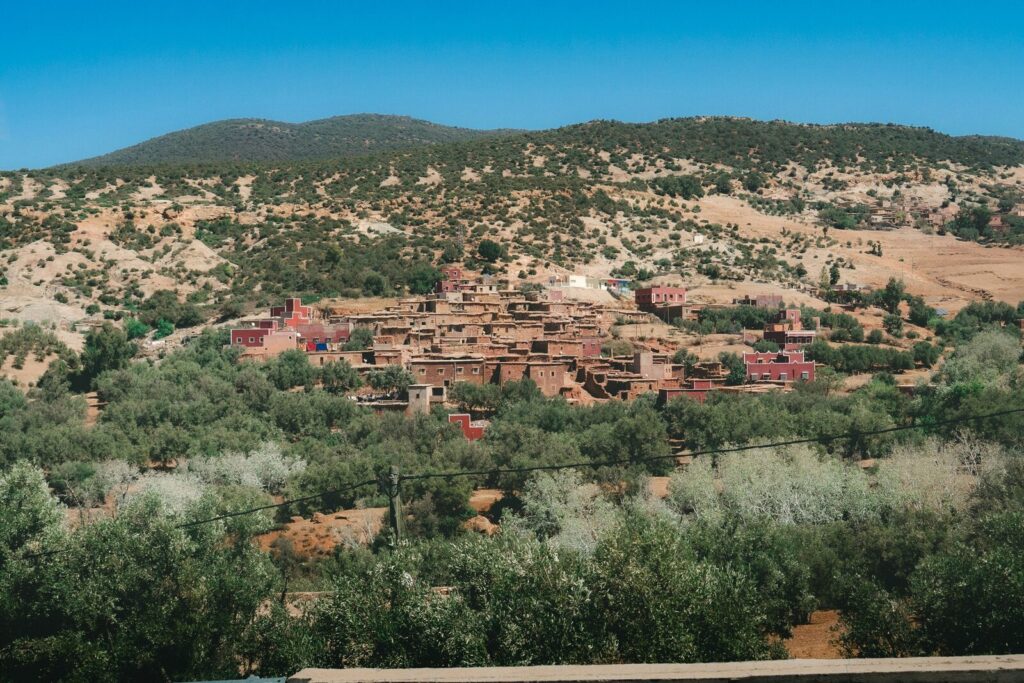
Spring is arguably the loveliest time to see Morocco’s wine country. The Meknès plateau is green, wildflowers dot the hills around Volubilis, and daytime temperatures are pleasant rather than punishing. The vines are pushing out their first growth, so you will not see a harvest, but the landscape is at its most photogenic and the estates are calm and unhurried. It is an excellent time to combine vineyard visits with the imperial cities and Roman ruins without the crowds or heat of high summer.
Summer: June to August
Summer is the season to approach with caution inland. On the Meknès plateau, temperatures regularly climb toward 40 degrees Celsius, which makes midday vineyard visits uncomfortable and hard work for the vines themselves. If you do travel in summer, lean toward the coast: Essaouira, home to Val d’Argan, stays markedly cooler thanks to the Atlantic wind, and pairs a relaxed seaside mood with fresh seafood and crisp whites and gris. For inland wine touring, early morning and late afternoon are the only sensible windows.
Autumn: September to November
Autumn is the classic wine traveller’s season. The worst of the heat has passed, the light softens, and, crucially, late summer into September is harvest time. Estates are alive with activity, the smell of fermenting grapes hangs in the air, and there is a real sense of the year’s work coming to fruition. Temperatures through October and November are comfortable for touring, and the food markets fill with the autumn harvest. For many, this is the single best window for a Moroccan wine trip.
Winter: December to February
Winter is the quiet season. The vines are dormant and bare, so the vineyards lack their summer drama, and the interior can be cool and occasionally wet, with cold nights at altitude. That said, the cities are peaceful, prices are softer, and a winter trip can still deliver excellent tastings, cellar visits and hearty seasonal food. If the vineyard landscape is not your only priority, winter is an underrated and affordable time to explore.
Harvest: the vineyard at its most alive
Harvest is the emotional high point of the wine year, and in Morocco it generally falls in late summer and early autumn, broadly from August into September, though the exact timing shifts each year with the weather and varies by site and grape. Visiting during harvest means seeing the estates at their most energetic: pickers in the rows, presses running, and winemakers at their most focused (and often their most tired). It is also the busiest time, so booking estate visits well ahead is essential. If watching a working harvest is your dream, aim for late August to mid-September and confirm timing with each estate close to your trip.
Timing by region
Morocco’s wine areas do not all peak at once, so it is worth matching the season to the region.
- Meknès and Fès (the inland heartland): best in spring and autumn; summer is hot and winter is cool at altitude. This is where most estates and the harvest action are.
- The Atlantic coast (Essaouira, Val d’Argan): the most forgiving in summer thanks to ocean breezes, and pleasant much of the year, though winter can be windy and grey.
- Berkane and the east: hot and dry, home of sweet Muscat de Berkane; spring and autumn are again the comfortable windows, and it is a long detour best saved for dedicated trips.
Eating with the seasons
Half the pleasure of timing a trip well is the food. Moroccan cooking follows the seasons closely, and the markets tell you what to order.
- Spring: tender lamb, fresh peas and broad beans, artichokes and the first stone fruits; a natural moment for lighter tagines and chilled gris.
- Summer: on the coast, grilled sardines and fresh fish beside a crisp white or gris; inland, melons, tomatoes and stone fruit at their peak.
- Autumn: the grape and olive harvest, new-season olive oil, pomegranates, quinces and figs, and rich, warming dishes that suit a fuller Syrah.
- Winter: citrus season, preserved lemons, and slow-cooked tagines with prunes and dried fruit that pair beautifully with a warming red.
For matching specific dishes to specific bottles year-round, see my food and wine pairing guide.
Ramadan and religious holidays
One date matters more than any weather pattern: Ramadan. During the holy month, many restaurants close or scale back during daylight hours, alcohol sales are often restricted, and it is respectful to be especially discreet. Wine tourism is still possible, but it is quieter and more constrained. Because the Islamic calendar is lunar, Ramadan moves roughly eleven days earlier each year on the Western calendar, so always check the dates for your travel year before booking a wine-focused trip. My guide on whether you can drink alcohol in Morocco explains the cultural context in full.
Month by month, at a glance
- January to February: cool and quiet; dormant vines, good value, hearty winter food.
- March to May: green, mild and beautiful; excellent all-round touring, no harvest.
- June to August: hot inland; head for the coast, or tour at dawn and dusk.
- Late August to September: harvest; the most atmospheric window, and the busiest.
- October to November: warm days, cool nights, autumn produce; superb touring weather.
- December: cool and calm; festive quiet and soft prices.
Putting it together
If your heart is set on seeing a working harvest, aim for late August to mid-September and book early. If you want the gentlest weather and the prettiest landscape, choose spring or October. If you are travelling in summer, build your trip around the Atlantic coast rather than the inland plateau. And whenever you go, check the Ramadan dates first. Once you have your window, my guide on how to plan a Morocco wine tour walks through building the trip itself.
What the weather is really like
Morocco’s wine country sits at altitude, which softens the extremes but does not remove them. In the Meknès hills, spring and autumn days tend to sit in the pleasant low-to-mid twenties Celsius, cooling sharply after dark thanks to the same day-to-night swing that helps the vines. Summer is a different beast, with dry heat that can push past 38 or 40 degrees at midday, while winter days are cool and nights can be genuinely cold, with the occasional rain that greens the hills. The Atlantic coast is milder and steadier through the year but breezier, and rainfall everywhere is concentrated in the cooler months, so summer touring is almost always dry.
Combining wine with the rest of Morocco
Because the wine country sits beside some of Morocco’s greatest sights, the seasons that suit the vineyards also suit the wider trip. Spring and autumn are ideal for pairing Meknès tastings with the Roman ruins of Volubilis, the medinas of Fès and Meknès, and, further afield, Marrakech and the Atlas passes. Summer favours the coast, so a wine stop at Essaouira slots naturally into a beach and medina break. Winter, mild by day in the south, is a fine time to combine cellar visits with the desert and the imperial cities while avoiding the heat. Thinking of the trip as a whole, rather than the vineyards alone, often makes the timing decision easier.
Frequently asked questions
What is the best month to visit Morocco for wine?
September is a strong all-round choice: the summer heat has eased and it usually coincides with harvest, when the vineyards are most atmospheric. October and April are also excellent for comfortable touring weather.
When is the grape harvest in Morocco?
Harvest generally runs from late summer into early autumn, broadly August into September, though the exact timing shifts each year with the weather and varies by estate and grape variety.
Is summer a bad time to visit Moroccan wine country?
Inland around Meknès, summer is very hot, often near 40 degrees Celsius, so midday visits are uncomfortable. The Atlantic coast around Essaouira stays cooler and is a better summer choice.
Should I avoid Ramadan for a wine trip?
Not necessarily, but expect a quieter experience: some restaurants close in daylight hours and alcohol sales are often restricted. Check the dates, which move about eleven days earlier each year, before you book.
Related guides on this site
- Visiting Morocco’s Wine Country: A Travel Logistics Guide
- How to Plan a Morocco Wine Tour
- Visiting Morocco’s Wine Country
- Moroccan Wine and Food Pairing Guide
- Can You Drink Alcohol in Morocco?
Sources
- Moroccan Wine Guide, existing visiting and travel-logistics guides (internal reference)
- Wine Enthusiast, “Moroccan Wine Is Ready for Its Close-Up” (seasonal and tourism context): https://www.wineenthusiast.com/culture/wine/moroccan-wine/
- African Business, “Africa’s alternative wine producers reach maturity” (regional context): https://african.business/2025/02/resources/africas-alternative-wine-producers-reach-maturity
See the vineyards for yourself
Once your dates are set, this full-day Meknès winery tour from Fès takes in Les Celliers de Meknès and Château Roslane with tastings and lunch, or you can browse other Fès wine tours.
Affiliate link: if you book through it I may earn a small commission, at no extra cost to you. See my disclosure.