If one estate represents the ambition of modern Moroccan wine, it is Château Roslane. It was the first Moroccan estate permitted to put the word “Château” on its label, it is the standard-bearer for the first and most important controlled appellation the country created, and it is the rare Moroccan winery that a visitor can actually walk into. This guide covers what the estate is, what the appellation behind it means, what is in the bottle, and how to see it for yourself.
The company behind the estate
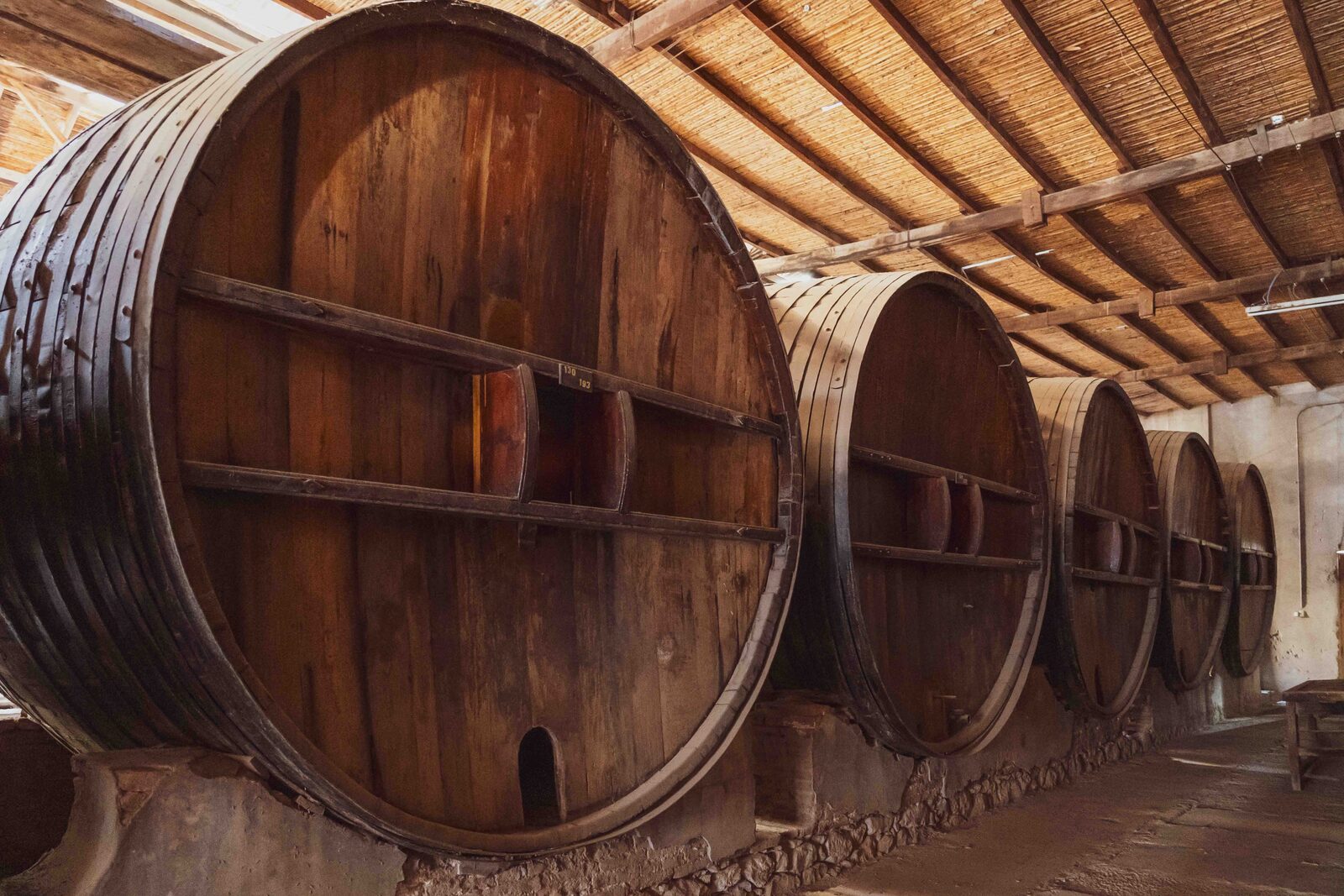
Château Roslane belongs to Les Celliers de Meknès, the company founded in 1964 by the Moroccan entrepreneur Brahim Zniber and now comfortably the dominant force in Moroccan wine. Industry estimates commonly put its share of national production at around 85 percent, farming somewhere near 2,000 hectares spread across three appellations: the AOG zones of Guerrouane and Beni M’Tir, and the AOC of Coteaux de l’Atlas.
That scale matters for understanding Roslane. Les Celliers de Meknès makes a great deal of inexpensive everyday wine, including the Guerrouane and Boulaouane labels that most visitors to Morocco encounter first. Roslane is the other end of the same business: the estate where the group set out to prove that Morocco could make a serious, age-worthy red rather than a cheerful holiday one.
What Coteaux de l’Atlas actually means
Morocco operates a two-tier quality system. Most quality wine falls under an AOG, an appellation of guaranteed origin, of which there are fourteen. Above that sits the AOC tier, an appellation of controlled origin. Coteaux de l’Atlas, established in 1998, was the first and remains the most significant; a small number of further AOCs have since been recognised, including Crémant de l’Atlas for sparkling wine. The guide to Moroccan wine appellations sets out the full system.
The distinction is not cosmetic. AOC status carries meaningfully tighter rules than AOG: capped yields, prescribed vineyard management, and controls on winemaking method. The delimited zone sits within the wider Beni M’Tir area on the plateau south and west of Meknès, in the foothills of the Middle Atlas, where vineyards climb to altitudes that produce a pronounced day-to-night temperature swing. Hot days ripen the fruit; cold nights preserve the acidity that stops the wine turning flat and jammy. That swing is the single most important thing about the terroir here.
The premier cru decision
On 4 January 2005, a decision of the Moroccan Ministry of Agriculture granted Château Roslane the right to label its wines AOC Coteaux de l’Atlas premier cru. It remains the reference point for the top of the Moroccan quality pyramid, and it is why the estate is treated as the country’s flagship rather than simply as one good producer among several.
The “Château” designation is a separate point of pride. Under Moroccan rules the term is restricted, and Roslane was the first estate cleared to use it, which is why you will see the name given such prominence in Moroccan wine writing.
The wines
The flagship is the Château Roslane Premier Cru rouge, a Bordeaux-and-Rhône blend built around Cabernet Sauvignon and Merlot with Syrah, aged in oak. Retail listings outside Morocco cluster around the mid-thirties in US dollars for a 750ml bottle, which places it well above everyday Moroccan wine and roughly level with a solid mid-tier Bordeaux or Northern Rhône. The estate also produces white and rosé under the same banner.
Set expectations sensibly. This is not a cult wine, and it is not priced like one. What it offers is a genuinely structured, oak-aged red from a country most drinkers have never tried, made under the strictest appellation rules Morocco enforces. For anyone working through the wider category, the guide to the best Moroccan wines to try sets it alongside the alternatives at every price point.
Visiting the estate
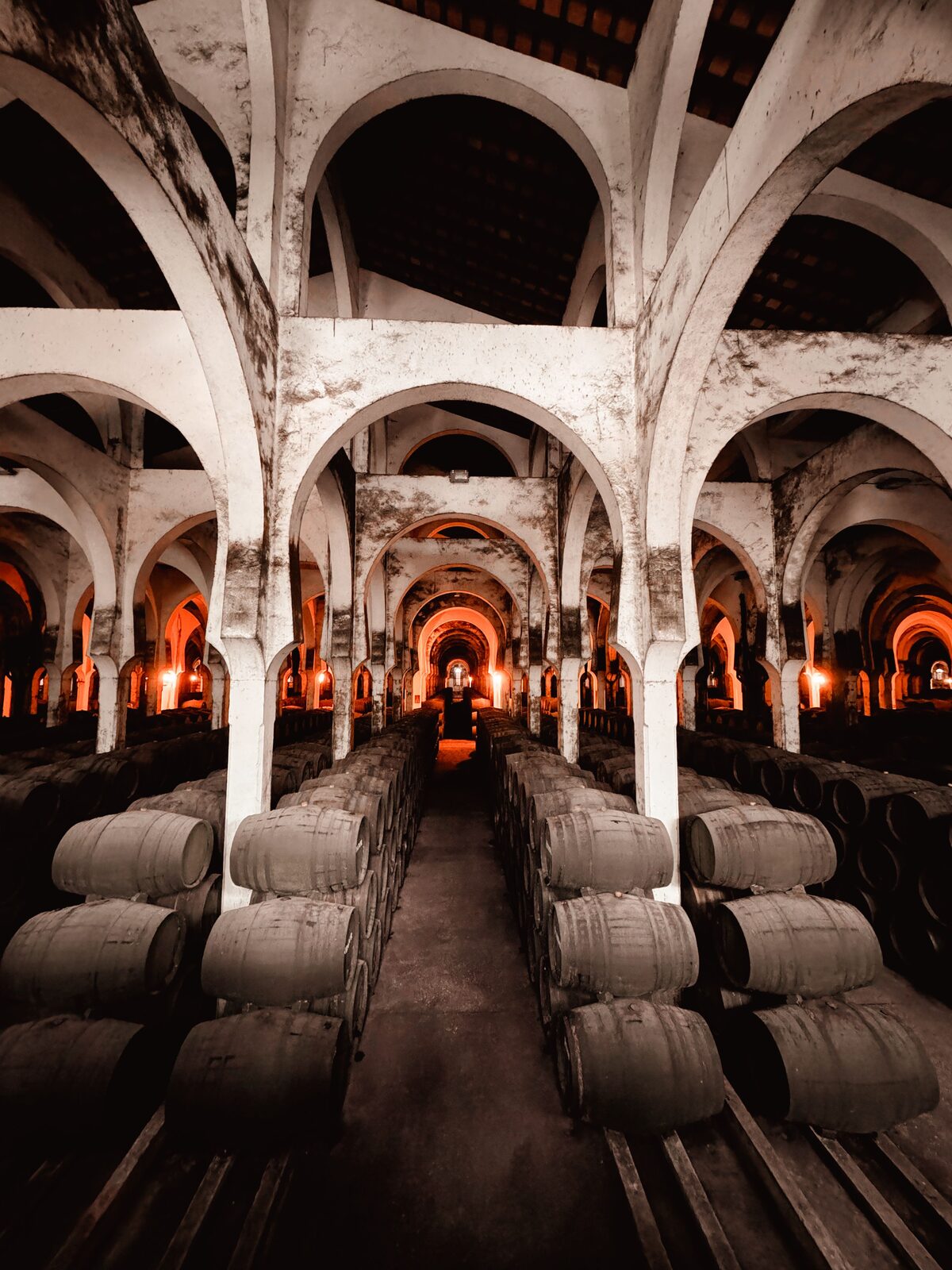
Roslane is among the very few Moroccan estates genuinely set up for visitors, with tasting facilities, dining and, at times, accommodation and a spa. It sits roughly 40 to 50 kilometres from Fès, which makes it a comfortable day trip from the city or a natural stop on the road between Fès and Meknès.
The catch is that access is by arrangement rather than drop-in, and opening varies through the year. Because of that, the simplest route in for most travellers is a guided day tour that already holds the appointment: this full-day winery tour from Fès pairs a Roslane visit with Les Celliers de Meknès and a traditional lunch. If you would rather arrange it yourself, contact the estate well ahead, particularly around the late-summer harvest. The travel and logistics guide covers routes, transport and timing in full.
Where Roslane fits
Roslane is the obvious starting point for anyone approaching Moroccan wine seriously, but it is not the only estate worth knowing. Domaine de la Zouina, founded by two Bordeaux proprietors and producing the Volubilia range, is the most credible quality rival inland. Domaine des Ouled Thaleb on the Atlantic coast, working with the late Rhône vigneron Alain Graillot on the Syrocco and Tandem bottlings, has arguably produced the most critically admired wines the country has made. Roslane’s distinction is institutional as much as qualitative: it is the estate the appellation system was built around. Meet the rest in the guide to Moroccan wine producers.
Frequently asked questions
What is Château Roslane known for?
It is the flagship estate of Les Celliers de Meknès and the standard-bearer for Coteaux de l’Atlas, Morocco’s first AOC. It was the first Moroccan estate allowed to use the “Château” name and, since 2005, the only one labelling wines as AOC Coteaux de l’Atlas premier cru.
Can you visit Château Roslane?
Yes. It is one of the few Moroccan estates properly equipped for visitors, with tastings and dining, but visits are by appointment. Most travellers arrive on a guided day tour from Fès, about 40 to 50 kilometres away.
How much does Château Roslane wine cost?
Listings outside Morocco for the Premier Cru red generally sit around the mid-thirties in US dollars per bottle, though availability is patchy because Morocco exports only a small fraction of what it makes. Prices at the cellar door are usually lower.
What grapes go into Château Roslane?
The Premier Cru red is a blend led by Cabernet Sauvignon and Merlot with Syrah. The mix of Bordeaux and Rhône varieties is typical of quality Moroccan reds, as covered in the guide to French and Mediterranean varietals in Morocco.
Visit Château Roslane on a guided tour
You can visit Château Roslane on a full-day winery tour from Fès that also stops at Les Celliers de Meknès, with tastings and a traditional lunch.
Affiliate link: if you book through it this site may earn a small commission, at no extra cost to you. See the disclosure.
See also on this site: Moroccan Wine Regions Guide, French and Mediterranean Varietals in Morocco and What’s New in Moroccan Wine 2026.
Related: other Moroccan wine producers, wine prices, and visiting the estates.